

The future for diverticulitis is already here. Mikrobiomik recruits the first patient in a trial with an antibiotic-free approach.
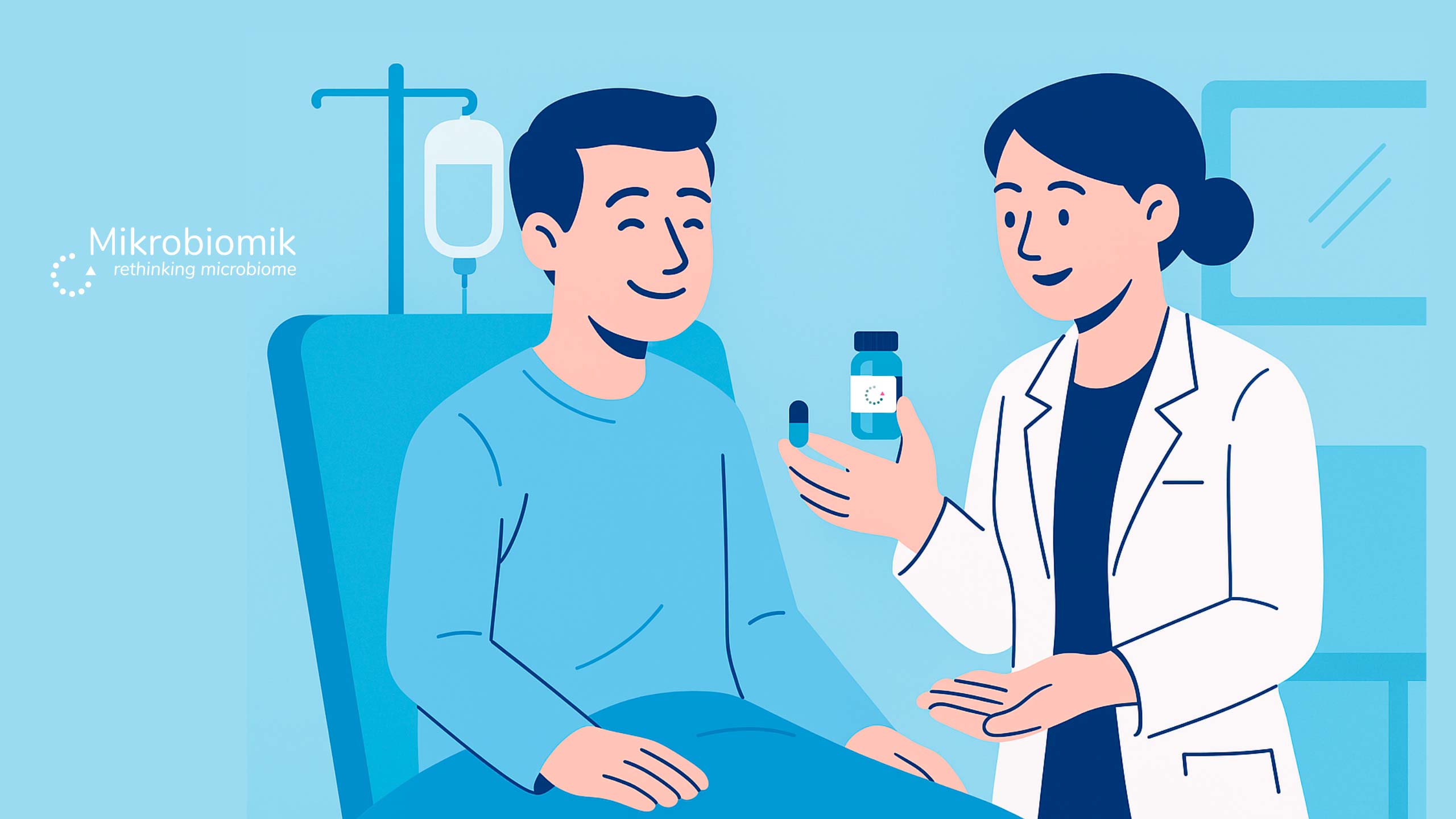
Mikrobiomik has achieved a new milestone in its disruptive trajectory developing drugs based on gut microbiota with the recruitment of the first patient for the DIREBIOT clinical trial, authorized by the Spanish Agency of Medicines and Medical Devices (AEMPS). The study, which is being carried out at the Ramón y Cajal University Hospital in Madrid, is being led by Dr Juan Ocaña Jiménez, a specialist in General and Digestive System Surgery and a leading figure in clinical research.
DIREBIOT is a phase II randomized, double-blind, placebo-controlled clinical trial that aims to evaluate the efficacy and safety of MBK-01, the investigational biologic drug based on gut microbiota, in patients with recurrent episodes of uncomplicated diverticulitis. This pathology affects a growing proportion of the population, especially adults, and its recurrences pose a significant therapeutic challenge.
The start of recruitment represents unprecedented progress in the clinical development of MBK-01, which has already demonstrated efficacy and safety in a phase III trial in patients with Clostridioides difficile infection. With this new project, the company is taking firm steps towards its goal of expanding the indications for this innovative medicine, focusing on an approach based on microbiota modulation.
The microbiota is one of the most promising therapeutic options for treating diseases for which there are still no effective alternatives, such as recurrent diverticulitis. Patients with uncomplicated recurrent diverticulitis often experience repeated episodes of abdominal pain, intestinal disorders and limitations in their quality of life. These recurrences generate anxiety, difficulties in maintaining their daily routine and frequent use of antibiotics, which increases the risk of antimicrobial resistance and complicates long-term management.
DIRDIREBIOT is presented as an innovative treatment to transform the clinical approach and significantly improve the quality of life of thousands of patients, paving the way towards a more personalized and sustainable medicine and an alternative to antibiotic resistance.