

Posted by Carlota Dopico – Business Development & Innovation Manager – 23/07/2025
Diverticulitis is an inflammatory disease of the colon that affects an increasing proportion of the adult population.
In Europe alone, it is estimated that more than three million people have suffered at least one episode of this ailment. In its recurrent form, it not only causes intestinal pain and discomfort: it imposes an ongoing physical, emotional and social toll.
Patients who suffer from it often experience:
- Repeated episodes of acute abdominal pain.
- Persistent digestive disorders.
- Anticipatory anxiety, along with dietary and lifestyle restrictions.
- Frequent hospitalizations, or even surgery as the only remaining option.
The current arsenal: antibiotics are essential—but not enough
Standard treatment in outbreaks remains the use of broad-spectrum antibiotics, essential to curb the infection in the acute setting. However, in patients with recurrent diverticulitis, this becomes a chronic dynamic: up to once a month for years.
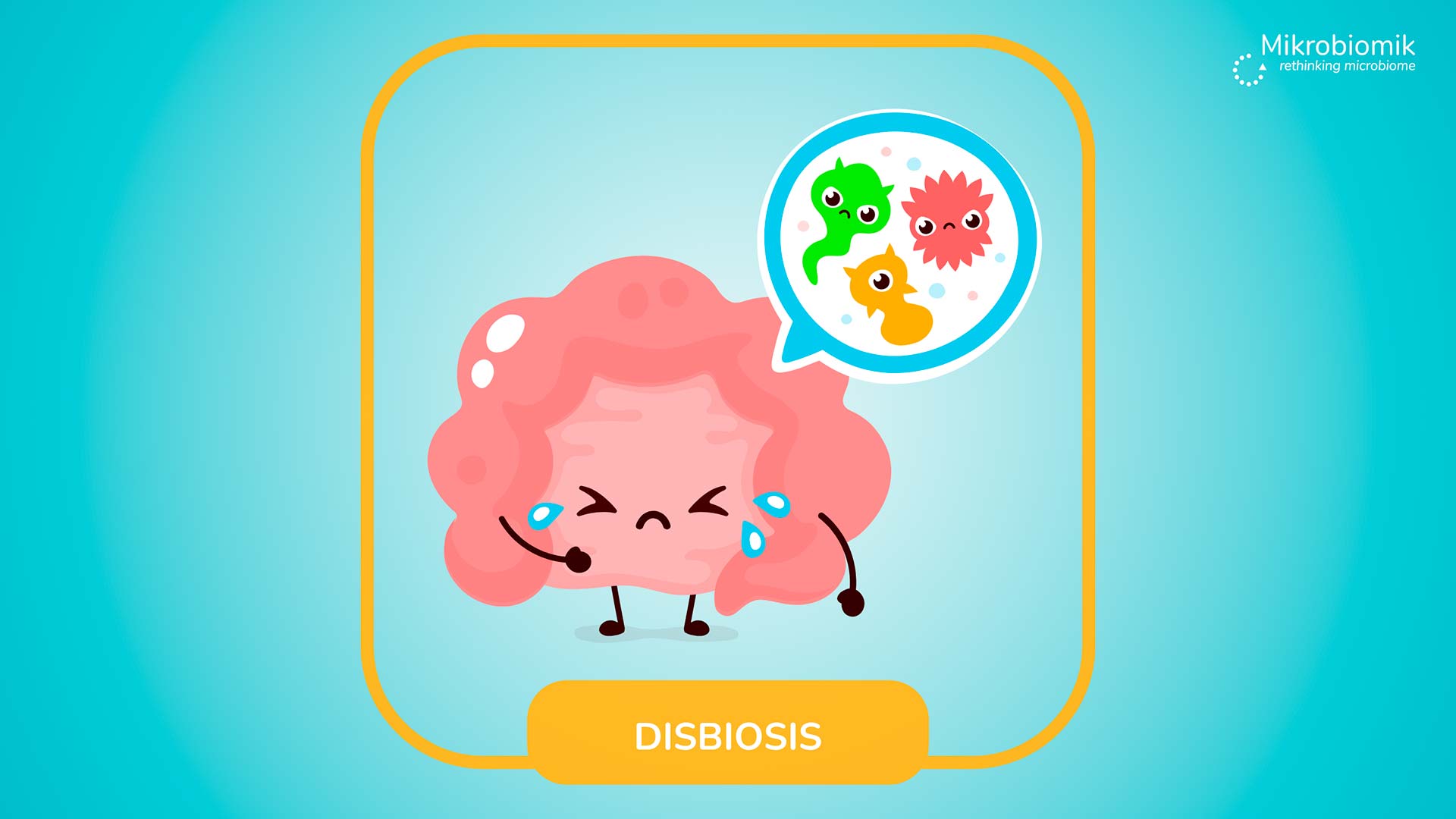
This repetition not only fails to prevent future episodes but may actually worsen the imbalance in the gut microbiome (dysbiosis), increasing antibiotic pressure and, with it, the risk of resistance.
The goal is not to replace antibiotics but to provide new tools for when they’re no longer enough.
And what about diet?
For many patients, diet has been—until now—the only tool they’ve had to try to prevent recurrences. But it can also become a source of frustration, anxiety, and social isolation.
And although diet greatly influences the balance of the microbiome, it is not enough to reverse advanced dysbiosis.
With MBK-01, we’re not replacing diet: we’re rebuilding the biological foundation that allows diet to work effectively again.
DIREBIOT: a groundbreaking international clinical trial
According to an analysis of official registries (EudraCT, ClinicalTrials.gov, and PubMed), there are no other active or past clinical trials evaluating microbiota-based therapies for diverticulitis. This positions Mikrobiomik and DIREBIOT as the first project in the world to explore this pathway in a clinical and regulated setting.
DIREBIOT is a Phase IIa, randomized, double-blind, placebo-controlled clinical trial authorized by the AEMPS, the study has started recruiting patients in April 2025 and expects to obtain intermediate results during the first four months of 2026 . It evaluates the efficacy, safety and optimal dosing regimen of MBK-01 in patients with recurrent episodes of uncomplicated diverticulitis.
The study is led by the Ramón y Cajal University Hospital in Madrid, under the coordination of Dr. Juan Ocaña, a specialist in General and Digestive Surgery.
How Does MBK-01 Work?
MBK-01 provides complete, viable and functional gut microbiota from clinically selected healthy donors. It aims to restore local microbial homeostasis (eubiosis) by reintroducing beneficial species that compete with proinflammatory bacteria.
This results in a number of key beneficial effects: on the one hand, the production of anti-inflammatory metabolites such as butyrate and propionate, compounds that play an essential role in regulating the intestinal environment, is stimulated. At the same time, the local immune response is modulated and the activation of inflammatory receptors – such as TLRs or the NLRP3 inflammasome -, which act as cellular sensors against stress or dysbiosis, is reduced.
In addition, MBK-01 helps restore the integrity of the intestinal barrier by reinforcing the tight junctions between cells that normally prevent the passage of bacteria and toxins into the bloodstream. By protecting this natural colon border, bacterial translocation is limited and the chronic cycle of inflammation is interrupted.
This approach is not about suppressing the immune system or merely alleviating symptoms—it’s about restoring the biological foundation that allows the colon to protect itself in the long term. And that could change the clinical outlook in a meaningful way: fewer flare-ups, fewer antibiotics, fewer surgeries—and most importantly, a life with more freedom and less fear.
A Potential Turning Point
For the health system, it means reducing unnecessary hospitalizations, avoiding costly surgeries and alleviating the antibiotic pressure that today compromises therapeutic sustainability.
For science, it represents real clinical validation that it is possible to modulate the microbiota as a therapeutic pathway in complex inflammatory diseases. And it opens the door to new indications with a single multidiagnostic therapy.
But above all, for the patient, it means something much more profound: to recover life without fear. Eating again without anxiety. Making plans without thinking about the next outbreak. In short, to live without the disease marking the rhythm of each decision.
Dr. Juan Ocaña, the study’s principal investigator, shares first-hand how this trial could represent a before and after in the treatment of recurrent diverticulitis.
And it starts from within—with the microbiota.